
Private Tuition in the Time of Covid: Singapore’s Best Options
Private tuition has long been a popular option for students in the UK seeking additional support in their academic studies. However, the COVID-19 pandemic has brought about significant changes in the way private tuition is conducted, with many students and tutors now turning to online platforms to continue their studies. This article will explore the impact of COVID-19 on private tuition, and what the future of private tuition may look like post-pandemic.
The pandemic has forced many students to adapt to new ways of learning, with schools and universities closed for extended periods of time. Private tuition has been no exception, with many tutors now offering online classes to their students. While this has allowed for continued learning, it has also presented challenges for both students and tutors, such as technical difficulties and a lack of face-to-face interaction.
Looking ahead, it is unclear what the future of private tuition will look like post-pandemic. While some students and tutors may prefer to continue with online classes, others may be eager to return to traditional face-to-face tuition. It is likely that a combination of both approaches will be adopted, as students and tutors seek to strike a balance between convenience and effectiveness.
Key Takeaways
- COVID-19 has forced many students and tutors to turn to online platforms for private tuition.
- The future of private tuition post-pandemic is uncertain, with a combination of online and face-to-face tuition likely to be adopted.
- Private tuition remains a popular option for students seeking additional support in their academic studies.
Impact of COVID-19 on Private Tuition
Private tuition has been a popular choice for many students in Singapore seeking additional academic support. However, the COVID-19 pandemic has significantly impacted the private tuition industry, forcing it to adapt to new regulations and safety measures.
Shift to Online Learning
As the pandemic hit Singapore, the Ministry of Education (MOE) strongly encouraged all tuition and enrichment classes to be conducted online. Private tuition centres and home tutors had to quickly adapt to this new way of teaching, which presented challenges such as internet connectivity issues and the need for new teaching materials. However, online learning has also brought about new opportunities for students to access quality education from the comfort of their homes.
Adaptation of Safe Management Measures
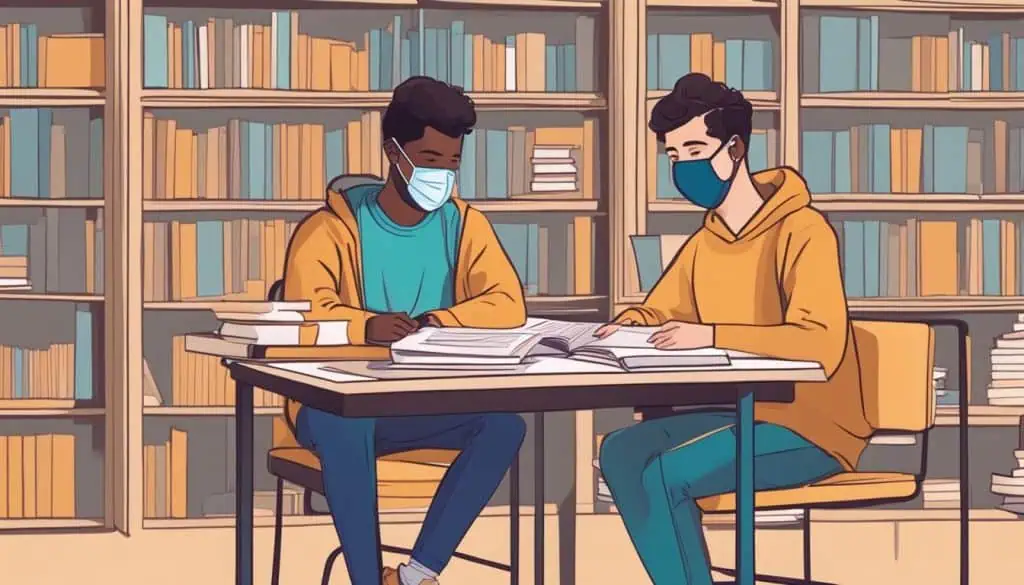
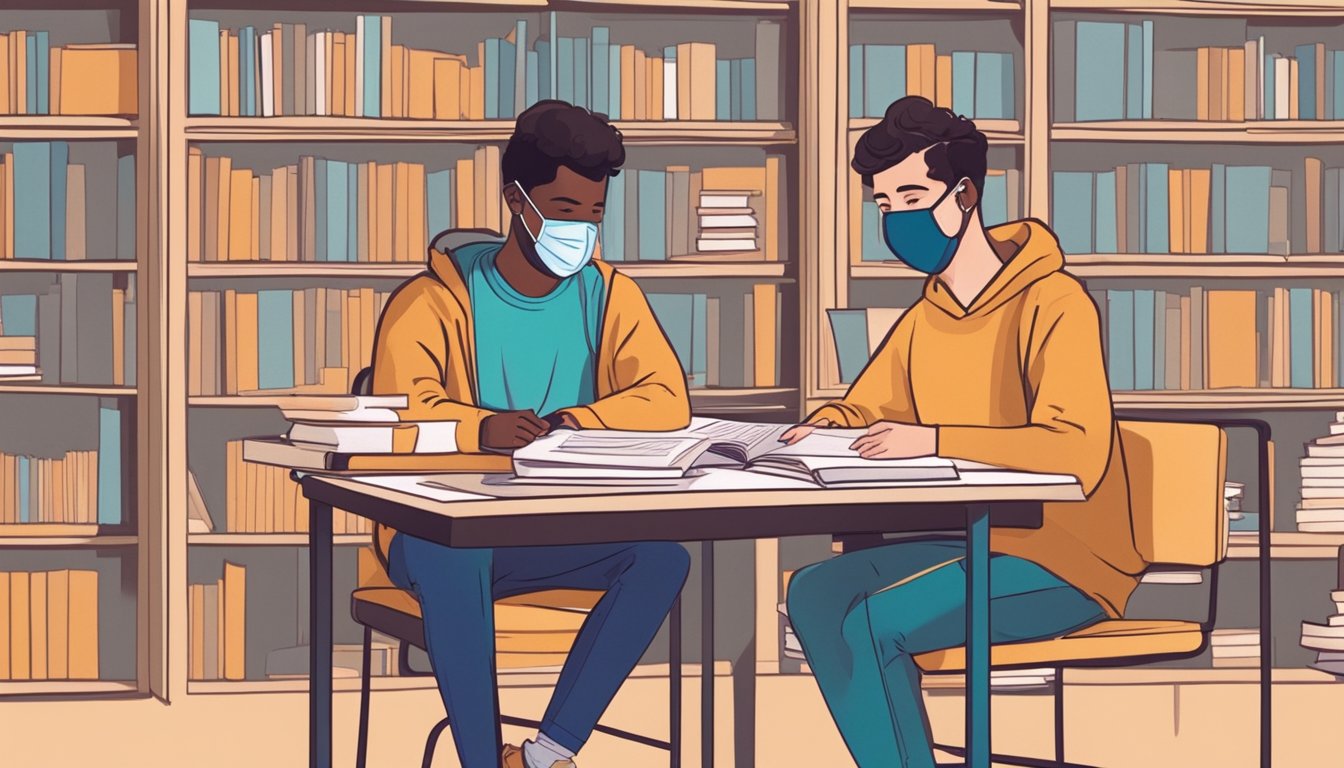
To ensure the safety of students and tutors, private tuition centres and home tutors had to comply with safe management measures such as mandatory mask-wearing, safe distancing, and health declarations. The MOE also conducted inspections to ensure that private tuition centres were complying with these measures. Private tutors had to adjust their teaching methods to accommodate these measures, such as conducting lessons in smaller groups or switching to online lessons.
Regulatory Changes and Compliance
The COVID-19 (Temporary Measures) Act has also impacted the private tuition industry, with regulations such as the suspension of in-person tuition for students aged 18 and below. Private tuition centres had to comply with these regulations, leading to a shift towards online learning. The MOE has also provided support for students and tutors affected by the pandemic, such as learning interventions and financial assistance.
Support for Students and Tutors
The pandemic has also highlighted the importance of supporting students and tutors during these challenging times. Private tuition centres and home tutors have provided additional resources and support to help students cope with the changes brought about by the pandemic. The MOE has also provided financial assistance and resources to help private tutors and tuition centres continue providing quality education to students.
Private Tuition Centres Versus Home Tutors
The pandemic has also led to a shift towards home-based learning, with many students opting for home tutors rather than attending private tuition centres. Home-based learning provides a more personalised approach to education, allowing tutors to tailor their teaching methods to the specific needs of each student. Private tuition centres, on the other hand, provide a more structured approach to learning and access to a wider range of resources.
Overall, the COVID-19 pandemic has significantly impacted the private tuition industry in Singapore. However, the industry has adapted to the new regulations and safety measures, providing students with quality education through online and home-based learning.
The Future of Private Tuition Post-Pandemic
Private tuition has been a popular option for students seeking additional academic support outside of their regular curriculum. However, the COVID-19 pandemic has brought about significant changes to the way private tuition is conducted. As we look towards the future, it is important to consider how the pandemic has affected private tuition and what the future of private tuition may look like.
Innovations in Teaching and Learning
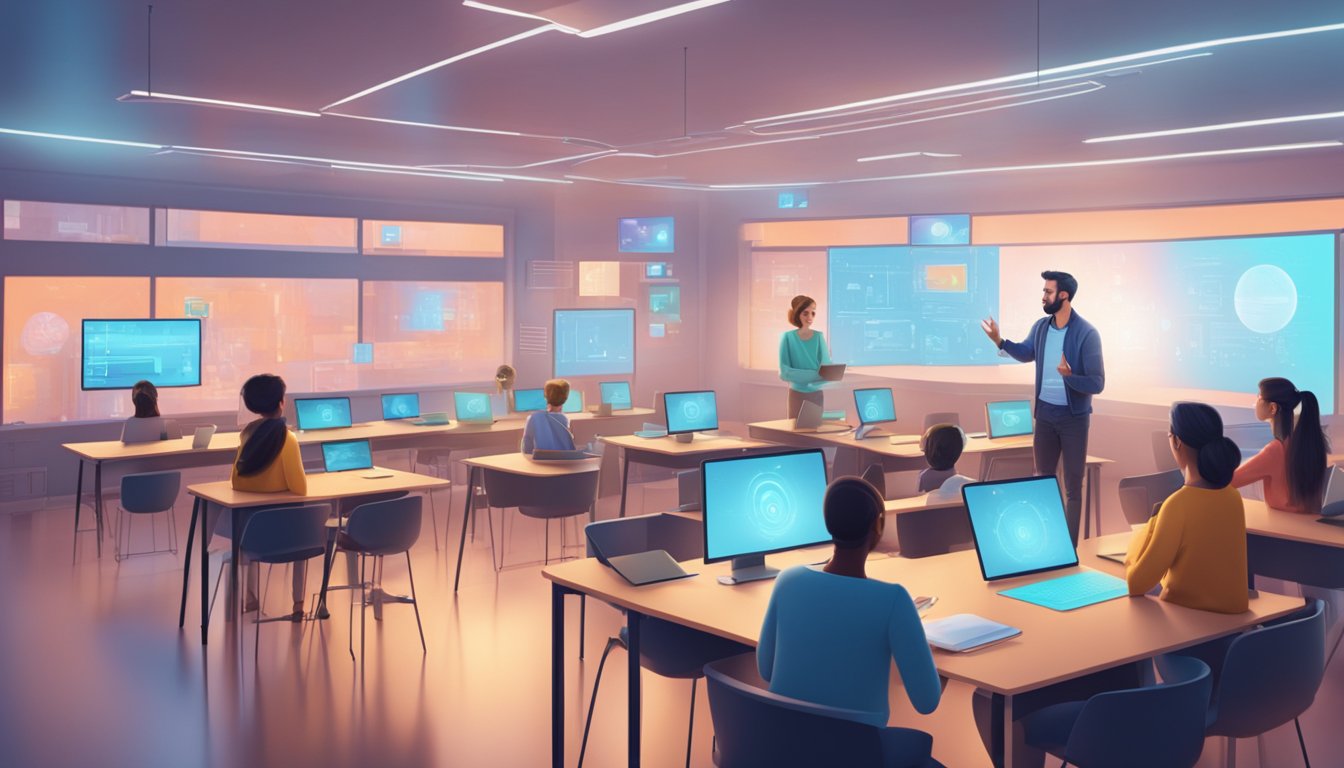
The pandemic has forced many private tuition providers to innovate and adapt to new teaching methods. With the rise of online learning platforms, private tuition providers have been able to reach a wider audience and offer more flexible learning options. This has allowed students to access tuition from the comfort of their own homes, which is particularly beneficial during times of social distancing.
Preparedness for Future Disruptions
The pandemic has highlighted the importance of preparedness for future disruptions. Private tuition providers must be equipped to handle sudden changes in the education landscape. This means having contingency plans in place for disruptions such as school closures and ensuring that students have access to the necessary technology and resources to continue their studies.
Long-Term Implications for Education
The pandemic has had a profound impact on the education system as a whole. Private tuition providers must consider the long-term implications of the pandemic on education. This includes addressing the widening gap in academic achievement between students who have access to private tuition and those who do not. It also means ensuring that private tuition is accessible to all students, regardless of their socio-economic background.
As we move towards a post-pandemic world, it is clear that the education landscape has been forever changed. Private tuition providers must be prepared to adapt and innovate in order to meet the changing needs of students. By embracing new technologies and ensuring that private tuition is accessible to all, we can create a brighter future for education.
Remember, the pandemic has been a challenging time for everyone, but it has also presented opportunities for growth and innovation. Private tuition providers must be at the forefront of this change, empowering students with the tools they need to succeed in a post-pandemic world. So, keep an open mind and embrace the future of private tuition with excitement and enthusiasm!
Frequently Asked Questions

What’s the latest guidance on in-person private tutoring during the pandemic?
As of April 2024, the latest guidance on in-person private tutoring during the pandemic is that all individuals working within the premises of private tuition and enrichment centres that have students aged 12 years old and below (i.e. in 2022, this would refer to those born in 2010 or later) even if the individuals do not come into contact with the students are required to undergo an Employer-led Supervised Self Swab (ESSS) to mitigate the risk of transmission of COVID-19. In addition, enterprises in the Private Tuition and Enrichment sector are also required to implement the Vaccinate or Regular Test (“VoRT”) regime with effect from 1 Oct 2021.
How have private tuition fees been affected by COVID-19?
The impact of COVID-19 on private tuition fees varies depending on the individual tutor and the specific circumstances of the tuition. Some tutors have reported a decrease in demand for in-person tuition due to concerns about the spread of the virus, while others have seen an increase in demand for online tuition. However, the fees charged by private tutors are ultimately determined by market forces and may be influenced by a range of factors beyond the pandemic.
Can MOE teachers still offer private lessons amidst current restrictions?
Yes, MOE teachers are still permitted to offer private lessons amidst current restrictions. However, they are required to adhere to the same safety protocols as other private tutors, including undergoing an Employer-led Supervised Self Swab (ESSS) and implementing the Vaccinate or Regular Test (“VoRT”) regime.
What steps should I take to become a registered private tutor during these times?
To become a registered private tutor during these times, you should first ensure that you have the necessary qualifications and experience to provide high-quality tuition in your chosen subject area. You should also familiarize yourself with the latest guidance on safety protocols and ensure that you are able to implement these protocols effectively. Finally, you should consider registering with a reputable tuition agency or platform to increase your visibility and reach potential clients.
How is online tutoring shaping up as an alternative to face-to-face sessions?
Online tutoring has become an increasingly popular alternative to face-to-face sessions during the pandemic, as it allows for social distancing and reduces the risk of transmission of COVID-19. Many tutors have reported that online sessions can be just as effective as face-to-face sessions, and that they offer greater flexibility and convenience for both tutors and students.
What safety protocols are in place for home-based tuition services now?
The safety protocols for home-based tuition services now include undergoing an Employer-led Supervised Self Swab (ESSS) and implementing the Vaccinate or Regular Test (“VoRT”) regime. In addition, tutors and students are required to wear masks and maintain social distancing during sessions. Tutors are also advised to sanitize any equipment or materials used during sessions and to ensure that the space used for tuition is well-ventilated.