
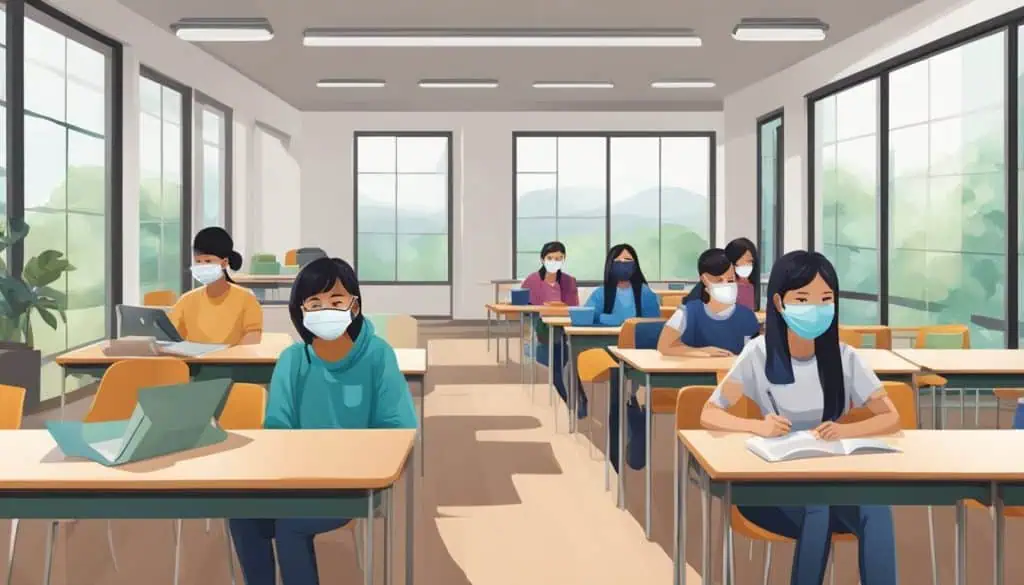
Tuition Centre COVID Measures: Keeping Students Safe and Learning On!
If you’re a student or a parent, you’re likely wondering how COVID-19 has impacted tuition centres in Singapore. The pandemic has forced many of these centres to adapt to a new normal, with some opting for online classes while others have implemented strict safety measures to continue in-person learning. In this article, we’ll explore the impact of COVID-19 on tuition centres in Singapore and how they’ve adapted to the new reality.
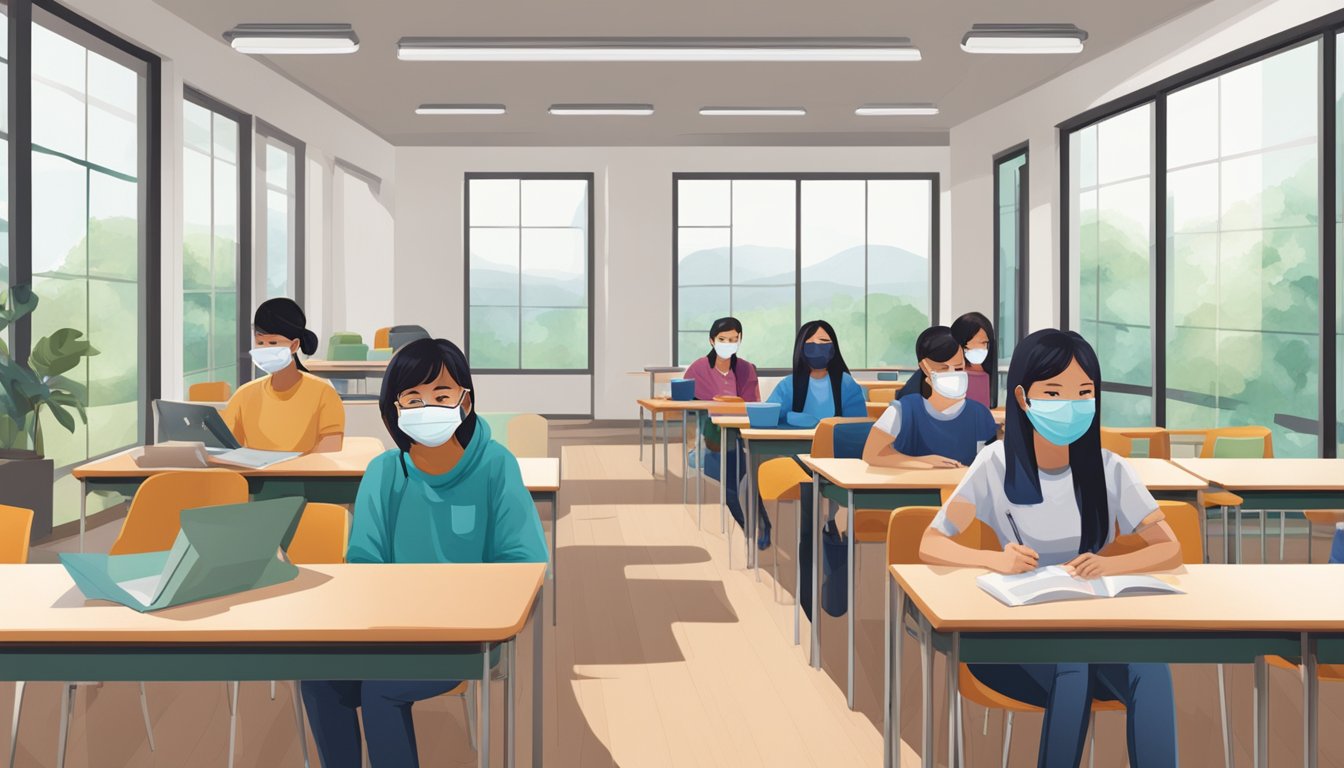
One of the biggest challenges facing tuition centres during the pandemic has been ensuring the safety of students and staff. Many centres have implemented measures such as regular testing, mandatory mask-wearing, and social distancing to prevent the spread of COVID-19. Some centres have also opted for fully online classes or hybrid learning to minimise the risk of transmission. In this article, we’ll take a closer look at these measures and how they’ve affected the tuition industry in Singapore.
Key Takeaways
- COVID-19 has had a significant impact on the tuition industry in Singapore, with many centres implementing safety measures to prevent the spread of the virus.
- Tuition centres have adapted to the new normal by offering fully online classes or hybrid learning, as well as implementing measures such as regular testing and mandatory mask-wearing.
- As the pandemic continues, it’s likely that tuition centres will continue to adapt and find new ways to provide quality education while keeping students and staff safe.
Impact of COVID-19 on Tuition Centres

The COVID-19 pandemic has had a significant impact on tuition centres in Singapore. Here are some of the key ways that tuition centres have been affected:
Transition to Online Learning
With the pandemic forcing the closure of physical tuition centres, many centres have had to transition to online learning. This has been a significant challenge for some centres, as they have had to adapt their teaching methods and find new ways to engage students.
However, the use of digital tools has allowed tuition centres to continue providing education to students. Online learning has also allowed students to continue their studies from the safety of their homes, reducing the risk of COVID-19 transmission.
Health and Safety Protocols
The Ministry of Health and Ministry of Education have implemented safe management measures for tuition centres to reduce the risk of COVID-19 transmission. These measures include the use of SafeEntry to support contact tracing, wearing of masks at all times, and regular cleaning.
Tuition centres have had to implement these measures to ensure the safety of their students and staff. Some centres have also opted for fully online classes or hybrid learning to reduce the risk of transmission.
Financial Implications for Centres and Families
The pandemic has had significant financial implications for both tuition centres and families. Some centres have seen a decline in enrolment due to the pandemic, while others have had to invest in new equipment and technology to support online learning.
Families have also had to bear the cost of tuition fees, which can be a significant financial burden. However, some centres have offered discounts or subsidies to help families cope with the financial impact of the pandemic.
Overall, the COVID-19 pandemic has had a significant impact on tuition centres in Singapore. However, the use of digital tools and online learning has allowed centres to continue providing education to students, while safe management measures have helped to reduce the risk of transmission.
Adapting to the New Normal
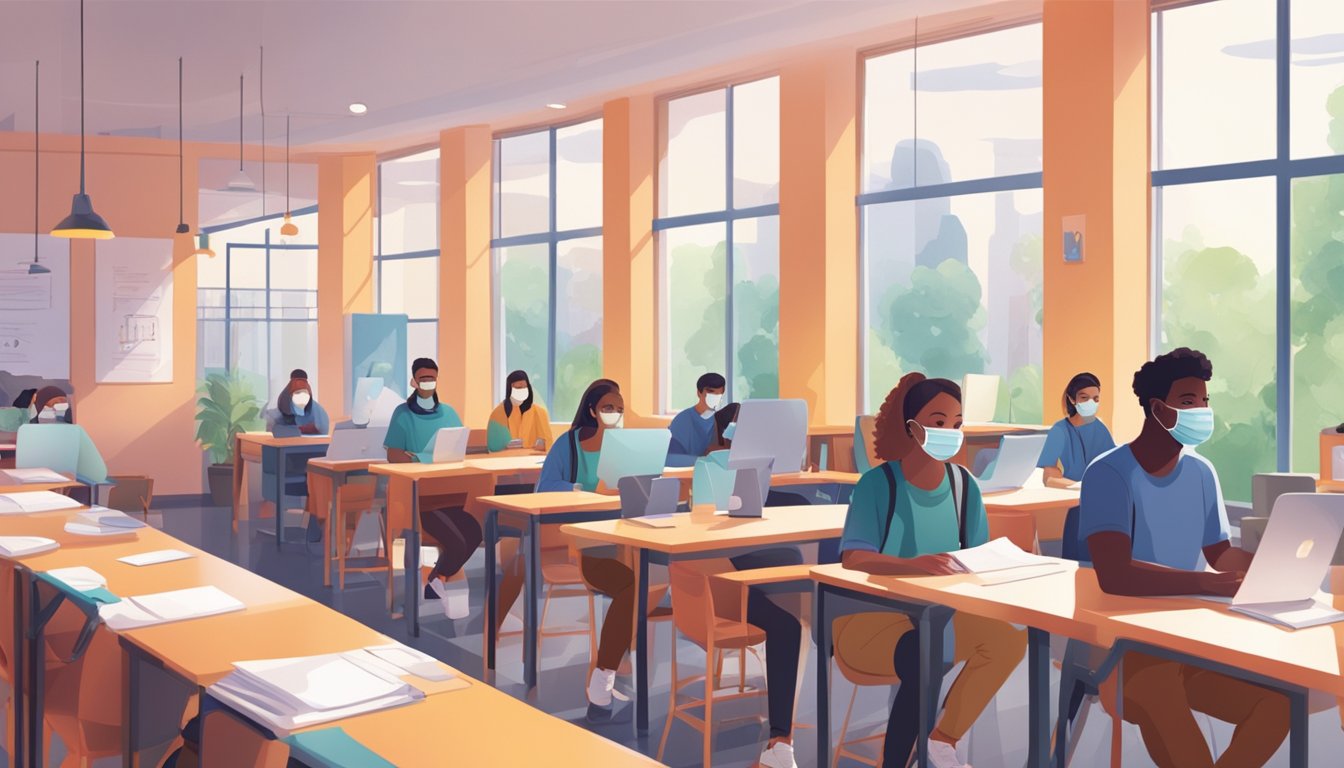
The COVID-19 pandemic has forced tuition centres to adapt to new ways of teaching and learning. With safe distancing measures and health declarations in place, tuition centres are taking steps to ensure the safety and well-being of their staff and students. Here are some innovative teaching methods, ways to support students and staff well-being, and future-proofing education.
Innovative Teaching Methods
Tuition centres are embracing online tools to deliver quality education to students. Learning points and enrichment centres have shifted to an online platform, providing students with the flexibility to learn from home. Tutors are using video conferencing tools to conduct online classes and provide one-on-one support to students. Primary school pupils are also able to access online resources and attend live online classes.
Supporting Students and Staff Well-being
The pandemic has taken a toll on the mental health of students and staff. Tuition centres are taking steps to support the well-being of their staff and students. They are providing counselling services to students who are struggling with the transition to online learning. Staff are also receiving training on how to support the mental health of their students.
Future-Proofing Education
Tuition centres are future-proofing education by adopting new technologies and teaching methods. They are using data analytics to track the progress of their students and identify areas where they need additional support. Tuition centres are also investing in the development of online learning platforms and resources to provide students with a comprehensive learning experience.
In conclusion, tuition centres have adapted to the new normal by embracing innovative teaching methods, supporting the well-being of their staff and students, and future-proofing education. By taking these steps, tuition centres are able to provide quality education to their students while ensuring their safety and well-being.
Frequently Asked Questions
What are the latest safety measures for tuition centres amidst the pandemic?
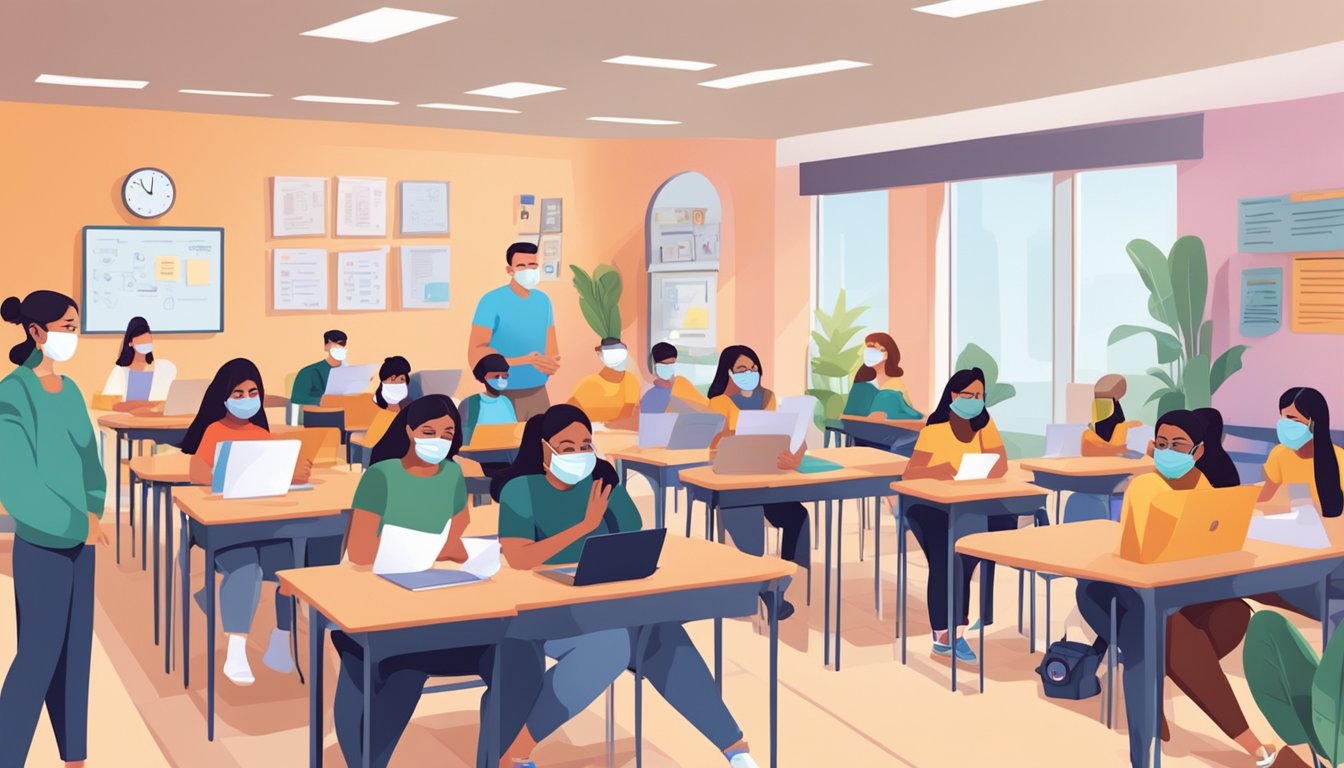
Tuition centres have implemented several safety measures to ensure the well-being of students and staff. These measures include temperature checks, mandatory wearing of masks, frequent sanitization of classrooms, and social distancing. In addition, tuition centres are also offering online classes to reduce the number of students in physical classrooms.
How has the demand for private tuition changed due to COVID-19?
Due to the pandemic, the demand for private tuition has increased significantly. With the shift to online learning, many students are struggling to adapt to the new format and are seeking additional help outside of school. As a result, tuition centres have experienced a surge in enrolment, particularly for online classes.
What’s the average cost for online tutoring during the coronavirus outbreak?
The average cost for online tutoring varies depending on the subject and level of education. However, online classes are generally more affordable than in-person classes. On average, you can expect to pay rates that vary by tutor type, level and area for online tutoring.
Are there any government subsidies available for students attending tuition centres now?
Yes, the government has introduced several subsidies to support families during the pandemic. For example, the Ministry of Education has launched the COVID-19 Support Grant, which provides financial assistance to eligible students attending tuition centres. In addition, the government has also introduced the Enhanced Training Support Package, which subsidizes course fees for individuals who are looking to upgrade their skills.
How are tuition centres innovating to keep students engaged during remote learning?
Tuition centres are constantly innovating to keep students engaged during remote learning. Some centres are incorporating gamification into their lessons to make learning more fun and interactive. Others are using video conferencing tools to facilitate group discussions and peer-to-peer learning. Additionally, some tuition centres are also offering one-on-one coaching and personalized learning plans to help students stay on track.
What protocols should parents follow when sending their children to in-person tuition sessions?
Parents should ensure that their children are in good health before sending them to in-person tuition sessions. This includes checking their temperature and monitoring for any symptoms of illness. Parents should also remind their children to practice good hygiene, such as washing their hands frequently and wearing a mask. Finally, parents should communicate with the tuition centre to ensure that all safety measures are being implemented and followed.